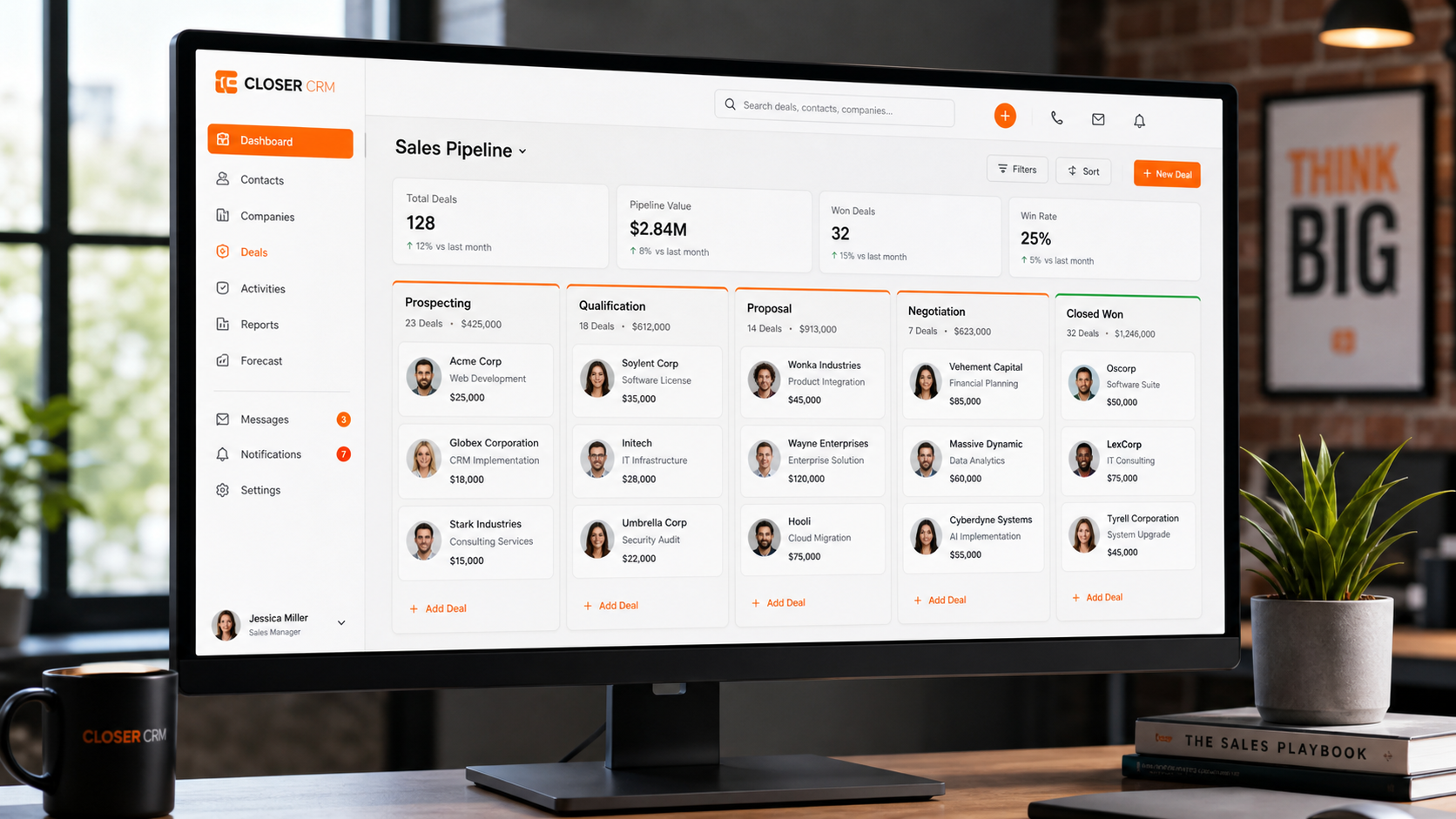
What is Attio?
Attio is a modern, highly flexible CRM designed for fast-moving teams. Its core differentiator is that everything is an object — companies, people, deals, projects, even custom entities — all linked together with a flexible data model. This makes it dramatically faster to customize than legacy CRMs.
Unlike Salesforce or HubSpot, which require admins and consulting projects to restructure, Attio lets you reshape your data model in real-time without IT. Combined with a beautiful interface and powerful automation, it's become the CRM of choice for the startup and scale-up world.
How We Tested
- Migrated a full sales pipeline from a legacy CRM
- 1 month of daily use by a 5-person sales team
- Tested automation, reporting, and custom objects
What We Loved
Pros
- Blazing-fast, modern interface
- Flexible data model, no IT needed
- Powerful automation rules
- Great onboarding from legacy CRMs
- Generous free plan
Cons
- Fewer integrations than HubSpot
- Less mature ecosystem/plugins
- Advanced reporting still evolving
- Not for massive enterprise orgs
Pricing
- Free: Up to 5 seats, unlimited contacts — genuinely usable
- Pro ($29/seat/month): Automation, custom objects, reporting
- Business ($60/seat/month): Advanced workflows, SSO, priority support
Attio's pricing is dramatically cheaper than Salesforce and competitive with HubSpot. The free plan is generous enough for early-stage teams to start without committing.
Who Should Use It
Perfect for: startups, scale-ups, and fast-moving GTM teams that need a CRM that adapts as quickly as they do. If you find Salesforce or HubSpot too rigid or expensive, Attio is the modern alternative.
Not ideal for: large enterprises with complex legacy setups, teams deeply dependent on the HubSpot ecosystem, or orgs needing mature B2C marketing automation.
Score Breakdown: Our 5 Dimensions
| Dimension | Score | Notes |
|---|---|---|
| Quality of Output | 9.0 | Data model flexibility is the best in modern CRM |
| Ease of Use | 8.8 | Notion-like objects and views, fast to shape |
| Value for Money | 8.8 | Strong free tier; pricing predictable per seat |
| Speed & Reliability | 9.2 | Fastest CRM interface we tested — instant everywhere |
| Support & Docs | 8.4 | Responsive chat; docs good but younger than HubSpot |
| Overall | 9.0 | Weighted across 4 weeks of daily use |
Performance in Daily Use
We modeled a recruiting pipeline and a SaaS sales pipeline in the same workspace — custom objects, typed attributes, per-view filters — without the admin overhead legacy CRMs demand. Data enrichment (waterfall company/person) is built in.
Integrations & Ecosystem
Integrations cover email (Gmail/Outlook sync), Slack, Segment, Zapier and webhook triggers. The API is modern and fast. Smaller marketplace than HubSpot/Pipedrive — complex needs route through the API or Zapier.Support & Documentation
Live chat support answered in minutes during our trial with genuinely technical answers. Documentation covers the data model well; the template gallery shortens setup.Reliability Notes From Long-Term Testing
A month of pipeline work through Attio showed the platform is dependable at its core job: records stayed consistent across devices and users, and the automation engine fired exactly as configured in our sequences. The friction we logged was data hygiene, not software — imports from legacy CRMs needed a cleanup pass, and duplicate detection caught most but not all of the mess.
Who Should Skip It
Skip Attio if your sales process is still being figured out — a sophisticated CRM amplifies a messy process rather than fixing it. Also think twice if you need deep offline access for field work, or if your team lives in spreadsheets and isn't ready to change; the migration tax only pays back once the team actually adopts the pipeline.
Attio vs Alternatives
| Quick Comparison | HubSpot | Pipedrive | Freshsales | |
|---|---|---|---|---|
| Best for | Attio (this review) | All-in-one marketing+sales | Simple visual pipelines | Built-in phone & AI scoring |
| Starting price | See pricing section | Free / from $20 | from $14 | Free / from $9 |
| Standout | See our verdict | Ecosystem & free tier | Ease of use | Value at entry |
Snapshot comparison — details and current pricing in the sections above and on vendor pages.
| Tool | Score | Price | Best For |
|---|---|---|---|
| Attio | 9.0 | $29/seat | Modern, flexible CRM |
| HubSpot CRM | 8.5 | $20/seat | Ecosystem & marketing |
| Pipedrive | 8.0 | $24/seat | Simple sales pipeline |
| Salesforce | 7.8 | $150/seat | Enterprise scale |
FAQ
Is Attio better than Salesforce?
For modern startups and scale-ups, yes — Attio is faster, cheaper, and dramatically easier to customize. Salesforce wins on enterprise maturity and ecosystem. It depends on your team's size and complexity.
Does Attio have a free plan?
Yes — Attio's free plan supports up to 5 seats with unlimited contacts, making it genuinely usable for small teams. Paid plans start at $29/seat/month.
Can I migrate from HubSpot or Salesforce to Attio?
Yes, Attio provides import tools and guided onboarding for migrating from legacy CRMs. Our team migrated a full pipeline in under a day. Data model restructuring is far simpler than in legacy systems.
Attio vs Pipedrive for a small sales team?
Pipedrive if you want opinionated sales pipeline simplicity; Attio if you want a flexible data model your team can shape (and you value interface speed). Both have free trials — model your actual pipeline in each.
Can Attio replace HubSpot entirely?
For CRM + email + enrichment, increasingly yes. HubSpot still leads for marketing automation, content and ecosystem. Many teams run Attio for sales with a lighter marketing stack.