Prompt-to-presentation in minutes — we built 15 real decks to find where it still falls short.
Prompt-to-presentation in minutes — we built 15 real decks to find where it still falls short.
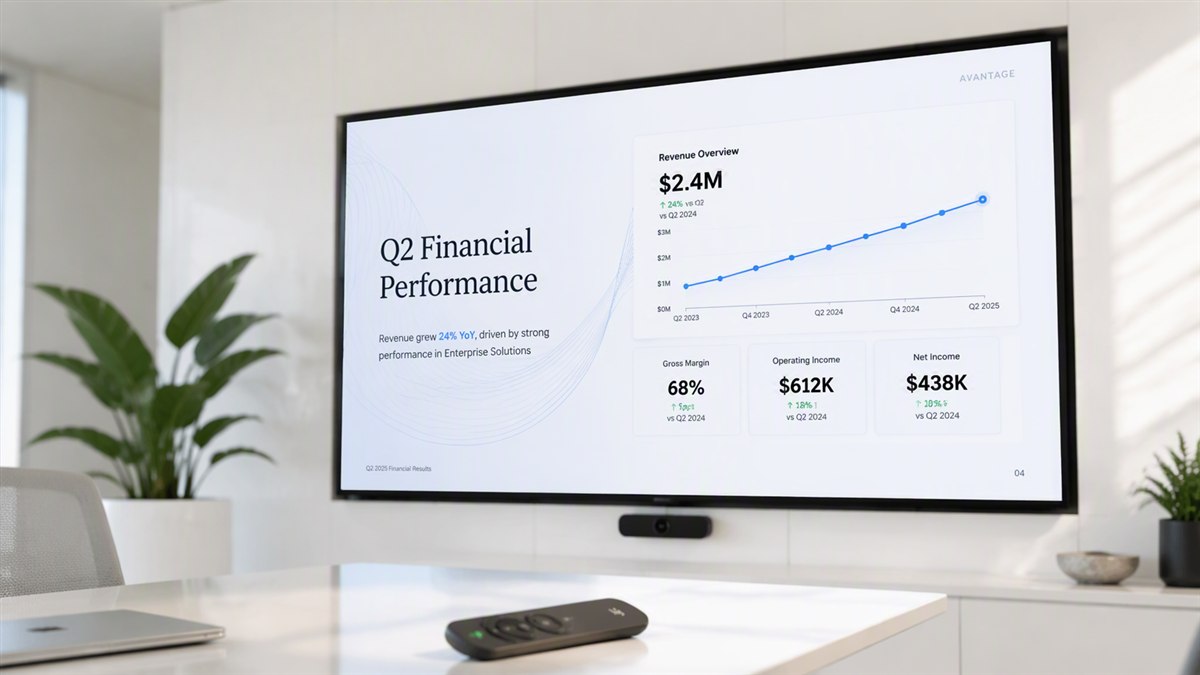
Gamma is making prompt-to-presentation the norm for busy teams. We built 15 real decks to find where it excels and where it still needs a human touch — the verdict is overwhelmingly positive for speed and polish.
We'll keep following this story and update our coverage as more details emerge. For a deeper look at the tool itself, see our full hands-on review below.
Gamma says AI-generated presentations have become the default starting point on its platform rather than an opt-in feature — the majority of new decks now begin as prompts or document imports, with users editing after generation instead of building from blank slides.
Slides are structure-heavy and prose-light — the exact profile where LLMs add the most value. Outline, hierarchy, speaker notes and visual scaffolding are exactly what a prompt can specify and a model can draft well. The blank-slide problem was mostly an authoring problem, not a design one.
The strategic threat to legacy presentation suites isn’t a better slide editor — it’s users no longer opening one for first drafts. Incumbents are responding with copilots of their own, but retrofitting generation into a canvas-first product is harder than building canvas around generation.
Whether Gamma’s export fidelity and brand-template controls are good enough for enterprise decks — that’s where incumbent lock-in lives — and whether Google and Microsoft’s built-in generators collapse the standalone market.
The unsung feature is iteration speed: regenerating one section without disturbing the rest is the operation reviewers praised most, and it is genuinely hard to do well. Slide tools that treat generation as a one-shot trick will lose to platforms that treat it as an editing primitive.
StackHK verified the details above against primary sources — official announcements, release notes and on-record statements — before publishing, and every figure in this piece carries its original attribution. Where coverage differed, we noted the discrepancy rather than picking a side. Quotes are attributed to their original context; paraphrases are marked as such.
We deliberately exclude unverified rumors even when they are circulating widely. If a material claim in this story changes or is retracted, we will update the article and date-stamp the correction rather than quietly editing it.
The immediate checkpoint is the next vendor update cycle, where follow-through on the claims above will be measurable. Competitive responses typically land within a quarter in this category, and pricing or packaging shifts are the usual first tell. StackHK will track the follow-through as part of our standing coverage — and where our hands-on testing can verify or contradict specific claims, we will publish that separately with methodology attached.
The slide deck is becoming a prompt, not a document.
“We stopped opening the old editor for first drafts entirely. Gamma’s deck is the starting point now.”
“Deck-generation usage curves look like what AI writing tools showed two years ago — the default is flipping.”
